The AI Misalignment

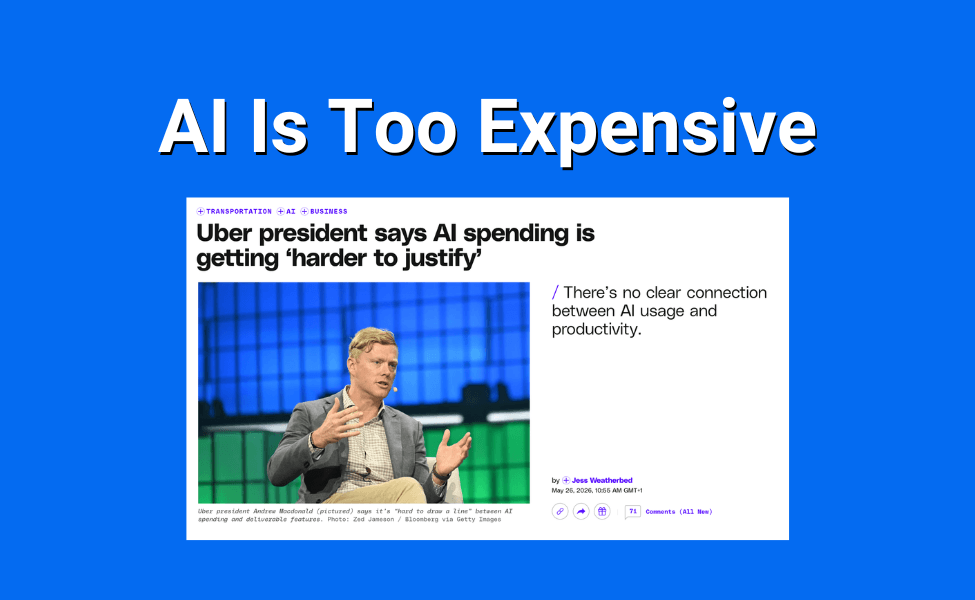
So, corporate America is starting to complain about the rising costs of AI. The other day, Uber's president said that AI spending is becoming harder to justify. This comes after Uber spent its annual budget in just four months.
This is funny because companies have been bragging about using AI to write more and more of their code and using AI for more and more of their stuff.
My YouTube video on this topic.
The Misalignment Between AI Companies and Users
I think the underlying issue here is the misalignment between what AI companies want and what customers and users like you and me want.
AI companies like OpenAI and Anthropic are not profitable, and they need us and customers (like Uber) to spend more tokens.
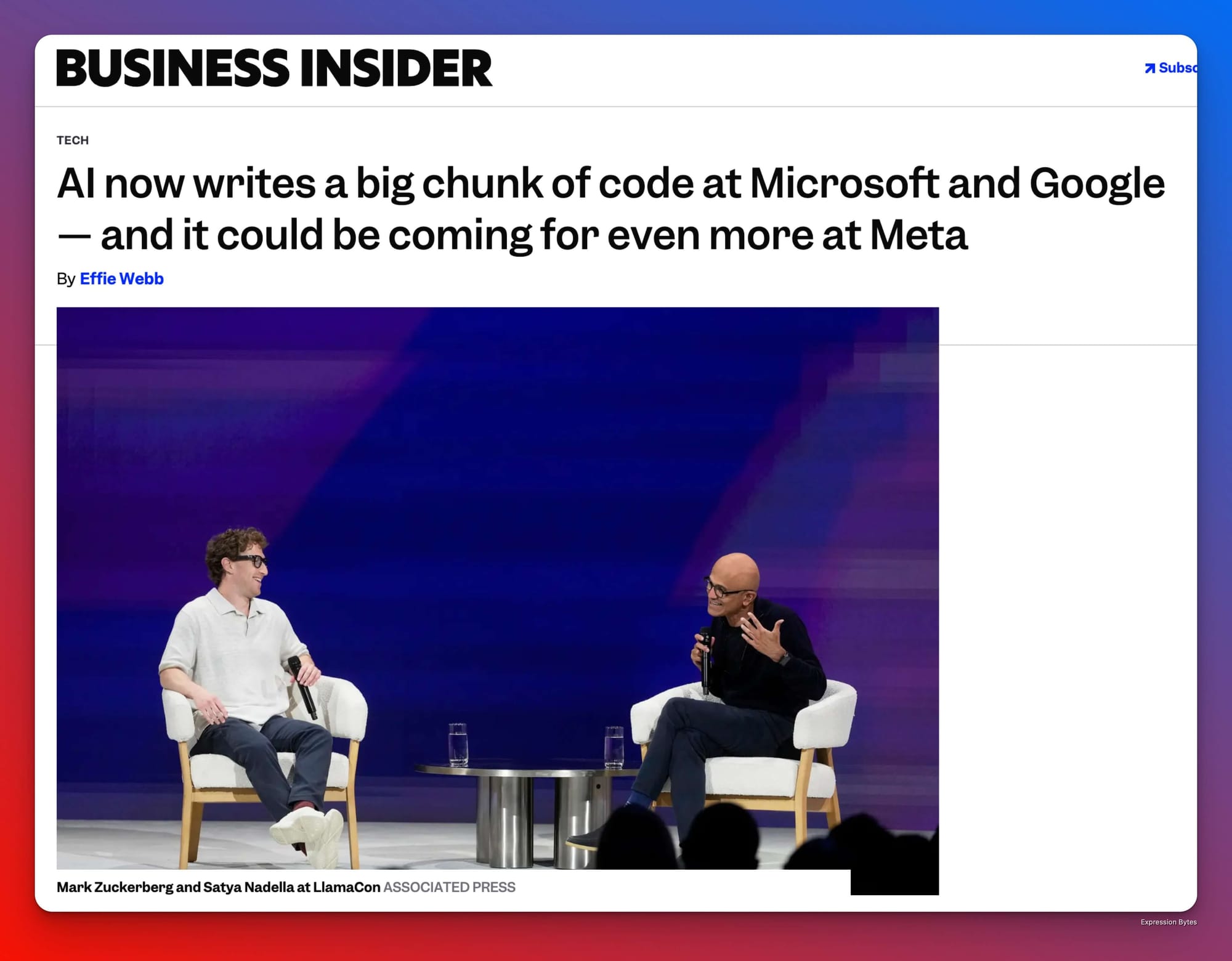
This is no surprise since a few weeks ago, Nvidia's CEO said it would be alarmed if the top engineers were not spending a lot of money on tokens.
They are literally telling us to spend more money on AI.
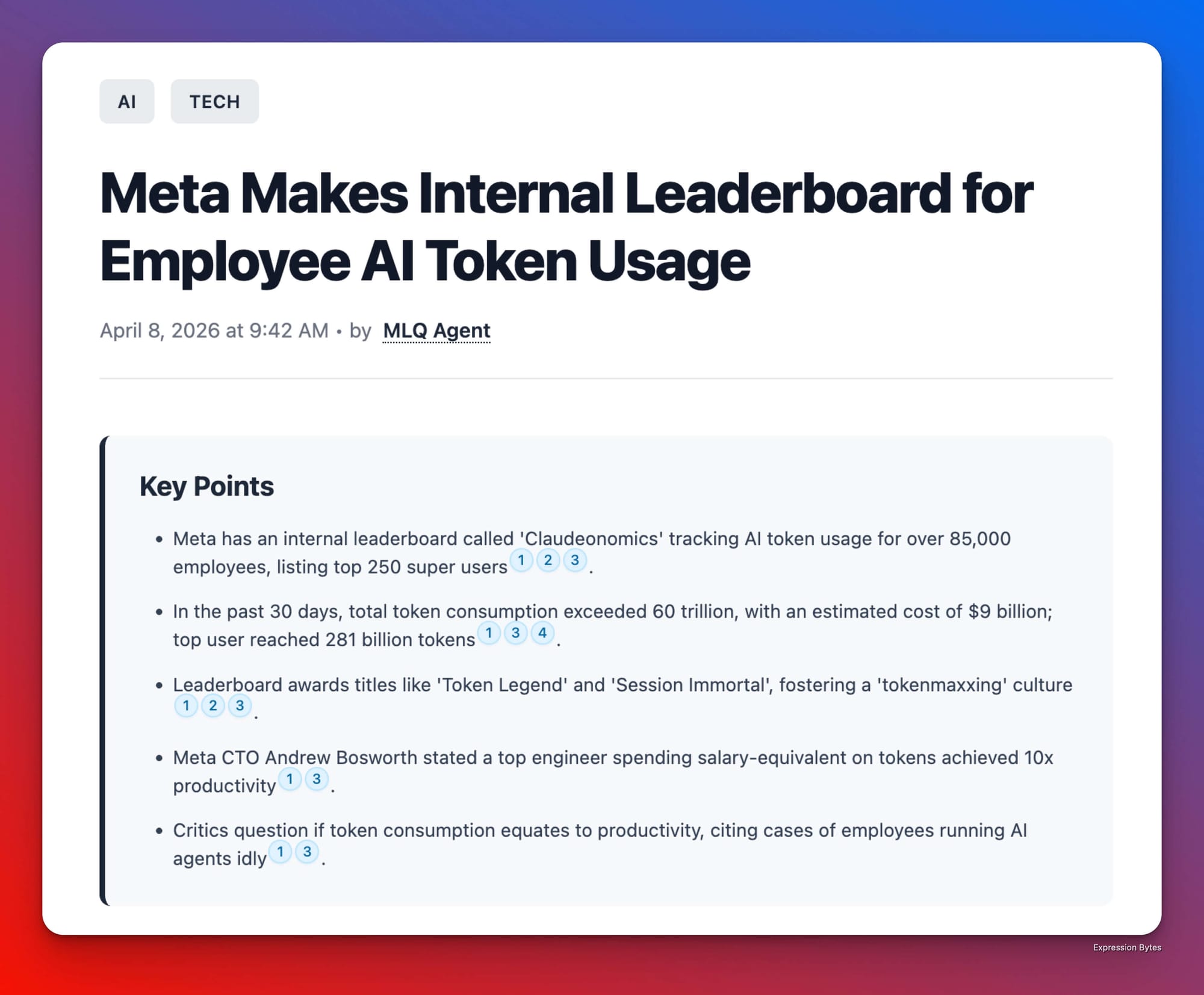
I have also read about Meta having an internal leaderboard called Claudenomics, where they measure the employees' token usage.
This is basically a way of incentivizing employees to spend more tokens in a way for being "more productive".
But surprise, surprise, token usage is not the same as productivity.
LLMs Make Lots of Mistakes
I have been using AI, from coding to content production, and sadly, the LLMs make lots of mistakes.
Most of the times, the output is not good enough.
The main reason is that LLMs are flawed from the ground up: they were trained to always answer questions, even when they don't have the answer or don't know what the correct answer is.
This is the main source of hallucinations.
Do you like this post? Subscribe to get more via email
LLMs Try to One-Shot Everything
To make things worse, the LLMs behave in a way that makes the hallucinations worse because they try to one-shot everything.
For example, I give it a task with a very specific scope and a very specific descriptions where I describe what I want, what is outside of scope, or what I don't want.
And even with these details, sometimes the LLM ignores instructions and does things outside of the scope.
On top of that, the LLMs I have seen that they don't always stick to best practices and they try to shortcut things by implementing quick fixes.
So, these things make me spend more tokens, and I can understand why employees are spending a lot of tokens instead of just producing better work.
More Efficient But More Expensive
The other day, I also saw a discussion on Twitter, where people were discussing that the LLMs are becoming more efficient at replying and producing an output.
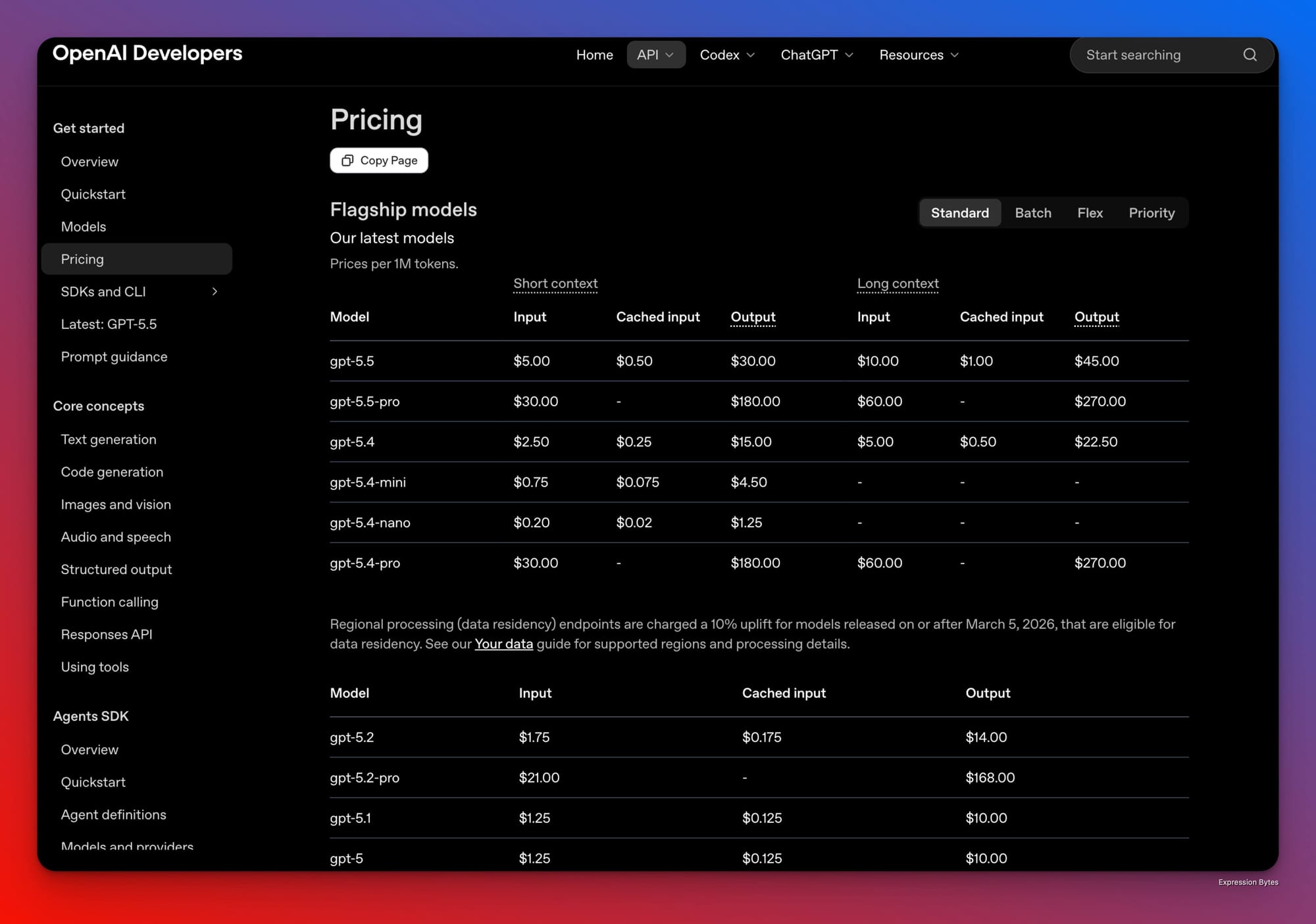
But on the other hand, even if they are more efficient and producing the output with fewer tokens, the top models are becoming more expensive.
These are the frontier models from Anthropic, OpenAI, and Google.
As these models are becoming more expensive per million tokens, even if they are more efficient, basically the end cost is the same in terms of dollars.
The Dating App Analogy
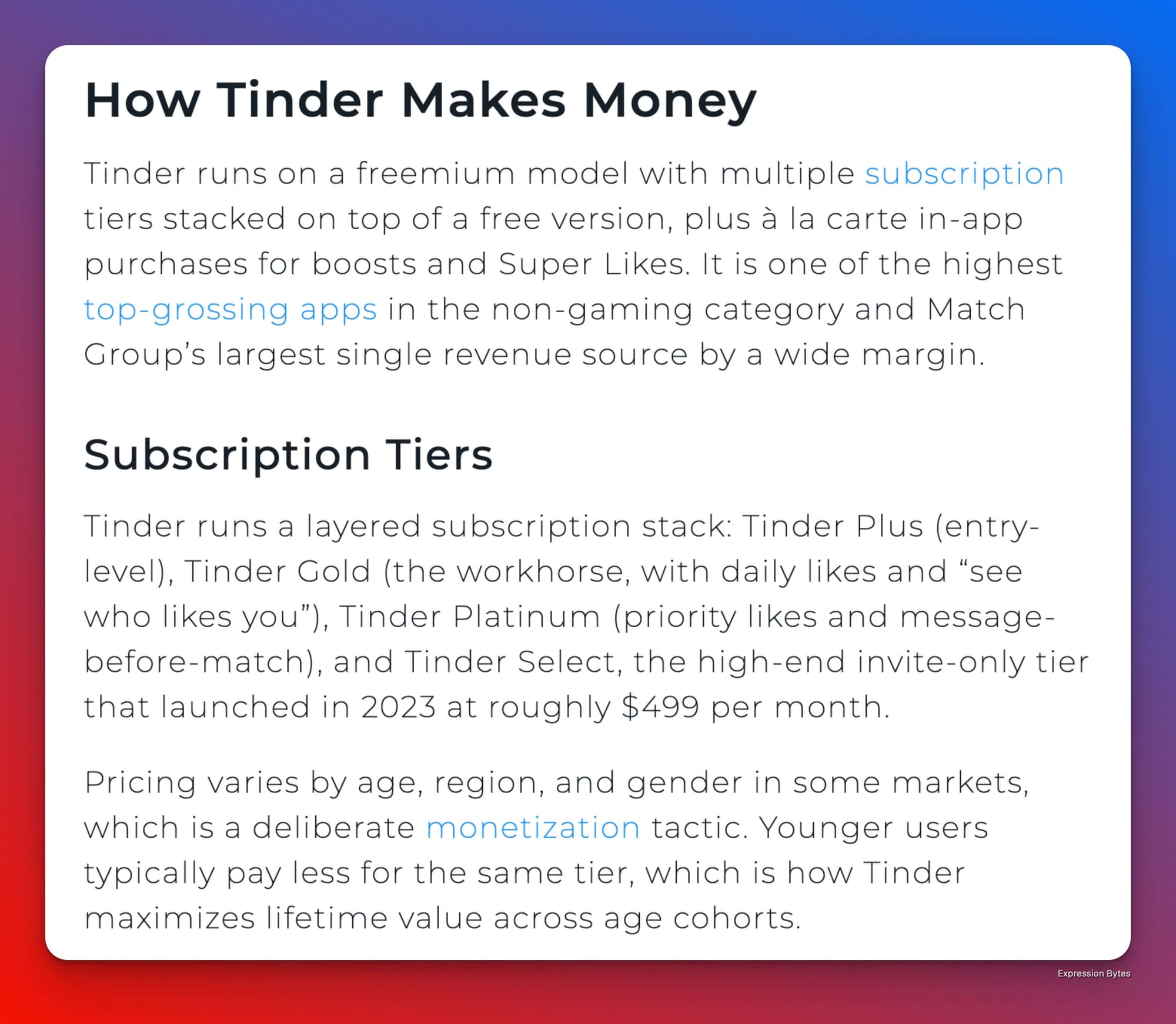
This misalignment is starting to remind me of the dating apps.
The goal of dating apps was to help people find relationships, but when you see how they make money, which is via ads or subscriptions, their incentive is to keep people using the app, keep you there so you can keep consuming and giving them money.
Changes to Make You Spend More
If you pay close attention, you start to see these small changes from AI companies to make you spend more tokens.
This is visible at the end of ChatGPT and other LLM conversations where you have the follow-up questions.
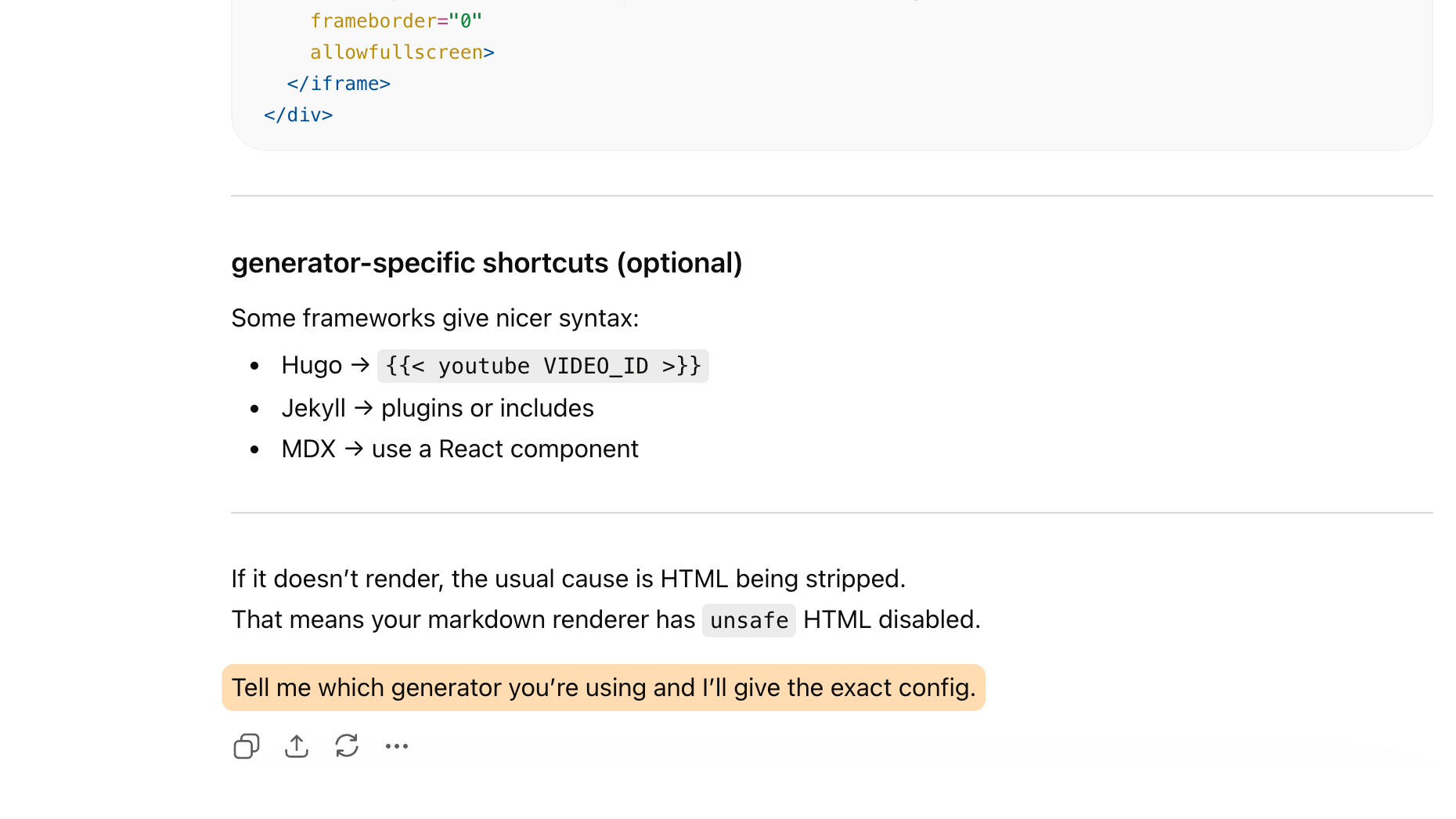
So even when the conversation achieves the goal, at the end there is a follow-up question.
This is a small and subtle way of incentivizing you to use AI more and more and spend more and more tokens.
The intent of this post and video is to share my opinion that incentives between users and AI companies are misaligned.
We want to get things done, but the AI companies get paid for usage, not correctness.